Every home has its dead zones—the forgotten, dimly-lit corners where cast-off furniture, seasonal decorations,…
How Homeowners Can Boost Wellness with Simple Self-Improvement Steps

Homeowners seeking wellness often start with strong motivation, then hit a familiar wall: busy schedules, inconsistent routines, and a home setup that makes healthy choices harder to repeat. A beginner wellness journey can feel confusing when self-improvement strategies clash with real-life constraints like limited space, durability worries, installation hassles, and the question of how much upkeep is realistic. The good news is that optimal wellness benefits don’t require a total lifestyle overhaul to begin; they come from small, steady shifts that support holistic health goals across movement, stress, sleep, and connection. Wellness becomes easier when the home reinforces it.
Quick Wellness Takeaways
- Practice simple stress reduction techniques to feel calmer and more in control.
- Build basic fitness routines that support steady energy and overall wellness.
- Upgrade sleep habits to improve recovery, mood, and daily focus.
- Follow healthy eating principles to nourish your body and support long-term health.
- Seek positive social support to stay motivated and strengthen mental wellbeing.
Put Wellness on Autopilot with Simple, Doable Upgrades
Wellness gets easier when your home does some of the work for you. Use the “quick wins” mindset, pick one change for stress, movement, sleep, food, or connection, and set it up so it’s the default.
- Create a 3-minute mindfulness “landing zone”: Put a chair or floor cushion in the quietest corner of your house, then set a timer for three minutes once a day. Your only job is to notice your breathing and gently return to it when your mind wanders. This works because it lowers the “startup cost” of mindfulness meditation, no special setup, no perfect technique, just a reliable place that reminds you to pause.
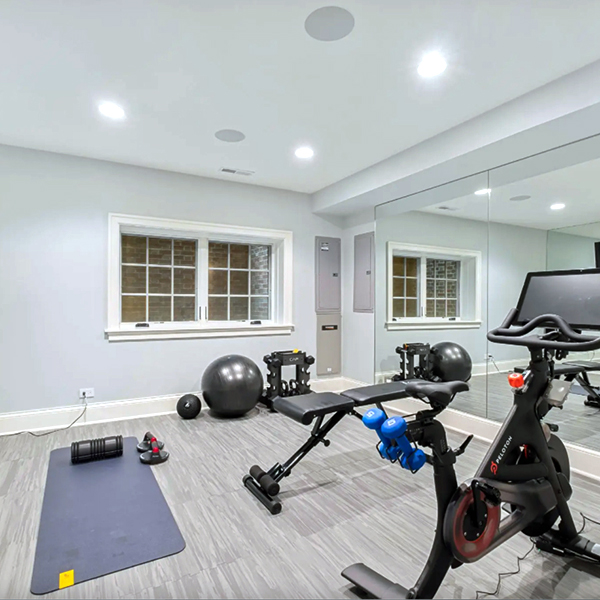
- Build a beginner exercise plan that’s hard to skip: Choose a simple weekly template: two 20-minute strength sessions plus two 20–30 minute walks. Keep strength basic, squats to a chair, wall push-ups, and a hip-hinge movement like a light deadlift pattern with a household object. If you’re setting up a basement gym or rec room, start with a dedicated non-slip surface — rubber flooring is a practical foundation that protects both your joints and your floor — and designate a “parking spot” for your mat so your workout begins the moment you step into the space.
- Upgrade your workout zone for comfort (and fewer excuses): Add small “friction reducers” in your home gym area: a towel hook, a water bottle spot, and a fan within reach. If your flooring is hard or cold, interlocking rubber tiles or a thick exercise mat under your main movement area will make a noticeable difference for planks, stretching, or yoga. The goal is to make your space feel inviting enough that a 10-minute session is an easy yes.
- Set up nutritious meal planning with a repeatable formula: Pick two go-to breakfasts, two lunches, and three dinners you can rotate for two weeks before changing anything. Build each meal around a protein + produce + fiber combo, think eggs plus fruit and oats, or chicken/beans plus a bagged salad plus microwavable grains. Keep a visible “backup shelf” of easy options so stress doesn’t push you toward takeout when your day runs long.
- Use “if-then” stress management methods you can practice at home: Decide ahead of time what you’ll do when stress spikes: If I feel tense, then I take 10 slow breaths and do a 60-second shoulder/neck stretch. Put a sticky note on the door to your rec room or gym to cue the habit. This kind of self-guided approach fits the idea of adjusting psychology and behavior by noticing what’s happening and choosing a small response you can repeat.
- Optimize your sleep environment like a mini renovation: Make the bedroom cooler, darker, and quieter with simple fixes: blackout curtains, a door draft stopper, and a “charging station” outside the bedroom so screens don’t follow you to bed. Keep a notepad by the bed to dump tomorrow’s to-dos in 30 seconds, which can reduce rumination. One small rule helps: the bed is for sleep (and relaxing), not for late-night scrolling.
- Make supportive relationships automatic, not optional: Choose one recurring connection that doesn’t require planning, like a weekly walk with a neighbor, a Sunday call with a family member, or a standing gym session with a friend. Put it on the calendar for the same day and time, then treat it like an appointment. Social support reinforces your quick wins: it lowers stress, boosts follow-through, and gives you a reason to show up when motivation dips.
A few “set-it-up-once” changes can carry you through busy weeks, then the real win is repeating them often enough that they start to feel like your normal routine.
Habits That Make Your Wellness Setup Stick
These routines act like anchors: they turn your home gym or basement rec area into a consistent cue for better sleep, steadier mood, and regular movement. When you pair small behaviors with simple, practical flooring choices like traction, warmth, and easy cleanup, it becomes easier to follow through week after week.
Two-Minute Floor Reset
- What it is: Wipe sweat, return weights, and clear trip hazards from your workout floor.
- How often: After every session.
- Why it helps: A tidy surface reduces friction and makes the next workout feel automatic.
Shoe-Change Boundary
- What it is: Keep house shoes by the gym door and swap before stepping onto mats.
- How often:
- Why it helps: It protects flooring and reinforces a clean, dedicated training zone.
Keystone Habit Pairing
- What it is: Choose one keystone habits routine and tie it to entering the space.
- How often:
- Why it helps: One small win can spread into other aspects of their lives.
Weekly Slip-Check Walkthrough
- What it is: Inspect seams, edges, and damp spots in your workout area, then fix issues with tape or drying. If traction has become a recurring concern, Kiefer’s rubber flooring options are worth a look before the problem affects a workout.
- How often:
- Why it helps: It keeps traction reliable for lunges, jumps, and kids’ play.
Phone-Free Cooldown
- What it is: Finish with five minutes of stretching and deep breathing on a comfortable exercise mat.
- How often: After workouts.
- Why it helps: It trains your body to shift from intensity into recovery.
Wellness Q&A for Busy Homeowners
Q: What are some effective techniques to reduce stress and improve overall wellness?
A: Start with a short breath practice, a 10-minute walk, or light strength work in your home gym zone. Reduce friction by keeping the area comfortable and safe, since a warm, slip-resistant surface lowers worry about aches or falls. Pick one calming cue you can repeat daily, like stretching in the same spot.
Q: How can I create a consistent fitness routine that fits easily into my daily life?
A: Choose a minimum version you can do on hectic days, like 8 minutes of bodyweight moves after work. Leave your space ready to use so the start feels automatic, with clear floor space and simple equipment. Track consistency, not intensity, for the first month.
Q: What strategies can help me improve my sleep quality for better mental and physical health?
A: Keep workouts earlier when possible, then end evenings with low light and gentle mobility. A quiet, tidy basement rec area can become a wind-down corner if you avoid screens and keep the floor comfortable enough to sit or stretch. If your mind races, write tomorrow’s top three tasks before bed.
Q: How do I stay motivated and avoid feeling stuck when trying to develop new positive habits?
A: Normalize the dip because motivation for long-term goals often gets harder as life fills up. Shrink the habit until it feels almost too easy, then celebrate completion to rebuild momentum. A growth mindset helps you treat setbacks as data, not failure.
Q: What steps should I take if I want to turn my wellness hobby into a small side business but feel overwhelmed by legal and administrative tasks?
A: First, separate the dream from the next action, like outlining your service, schedule, and a simple budget. Then list the admin tasks you are avoiding and pick one, such as checking local requirements or setting up basic recordkeeping. If the sticking point is the legal setup and ongoing compliance, using a formation-and-compliance service such as ZenBusiness can keep those details organized while you focus on staying steady with your routines.
Stack Small Home Wins Into Lasting Wellness and Confidence
It’s easy for busy homeowners to feel stuck between good intentions and the reality of limited time, space, and energy. The steady way through is the pick-one mindset: choose a single 10-minute step, repeat it, then stack incremental self-improvement steps as life allows, supported by practical wellness encouragement when motivation dips. Over time, that approach builds long-term health benefits like better sleep, steadier mood, and more confidence using the rooms and routines already in place. Small steps, repeated, become a healthy life. Choose your next 10-minute step today, whether it’s a quick movement break, a simple meal prep habit, or gathering info on Illinois LLC services setup costs and service choices if a career pivot is part of the reset. This matters because consistency creates resilience that carries into health, home, and whatever comes next.
Ready to upgrade your workout zone? Contact Kiefer Home today at 877-291-5355 or fill out our Contact Form.

Related Posts